Micro vs Macro Influencers: Strategic Budget Allocation
One of the most frequent debates in digital marketing strategy centers around audience size. Should a brand invest its entire budget into a single high-profile macro-influencer to guarantee massive visibility, or should it distribute that budget across dozens of micro-influencers to cultivate localized, highly engaged trust? The answer depends entirely on your campaign objectives, product lifecycle, and internal resource capacity.
Defining the Tiers
While industry definitions fluctuate, the standard categorization revolves around follower counts. Understanding these tiers helps contextualize their respective strengths and pricing models.
- Nano-Influencers: (1,000 to 10,000 followers) Highly localized, extremely high engagement rates. Often compensated with gifted products rather than large cash fees.
- Micro-Influencers: (10,000 to 100,000 followers) Established niche authorities. They possess professional content creation skills while maintaining a strong, personal connection with their community.
- Macro-Influencers: (100,000 to 1 Million followers) Professional creators with broad appeal. They offer significant reach but lower relative engagement rates compared to smaller tiers.
- Mega-Influencers & Celebrities: (1 Million+ followers) Household names providing massive top-of-funnel brand awareness at a premium cost.
The Case for Micro-Influencers
Micro-influencers are frequently lauded as the sweet spot of influencer marketing. Because their audiences are relatively contained, they can actively interact with their followers, responding to comments and direct messages. This two-way communication builds a parasocial relationship founded on trust. When a micro-influencer recommends a skincare product or a software tool, it feels like a recommendation from a knowledgeable friend rather than a broadcast advertisement.
Furthermore, micro-influencers often occupy specific, clearly defined niches. Whether it is sustainable fashion, competitive gaming, or vegan baking, their audiences are highly segmented. If your product fits perfectly within their niche, the conversion rates can be exceptionally high. Financially, spreading a budget across twenty micro-influencers mitigates risk; if one partnership underperforms, the campaign as a whole can still succeed.
The Case for Macro-Influencers
Despite the high engagement rates of smaller creators, macro-influencers serve a vital and distinct purpose. When a brand is launching a major new product line or attempting to rebrand entirely, scale matters. Macro-influencers provide an immediate influx of impressions that is difficult to achieve organically.
Additionally, working with macro-influencers is more resource-efficient from a management perspective. Communicating with, briefing, reviewing, and paying fifty micro-influencers requires significant internal agency or brand resources. Managing two macro-influencer contracts requires far less administrative overhead while delivering massive aggregate reach. Their content is also typically produced at a very high professional standard, providing excellent assets for subsequent paid whitelisting campaigns.
Engagement Rate Discrepancies
It is a mathematical reality of social media platforms that as an audience grows, the overall engagement rate percentage drops. A creator with 15,000 followers might regularly see a 6% engagement rate, while a creator with 800,000 followers might hover around 1.5%. Marketers must not view this lower percentage as a failure on the part of the macro-influencer; a 1.5% engagement rate on an audience of 800,000 still yields 12,000 direct interactions, which drastically outpaces the total interactions of the micro-creator.
Choosing the Right Mix
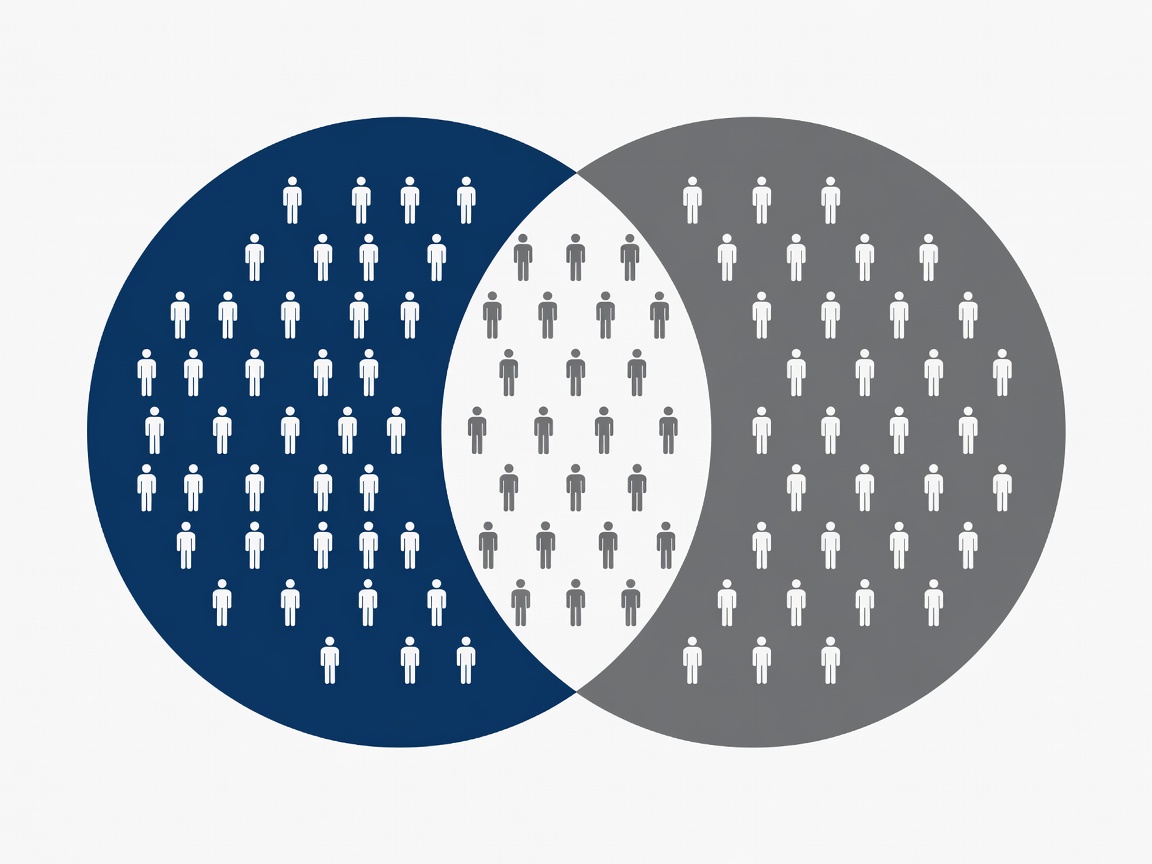
The most sophisticated influencer programs do not choose one tier at the exclusion of the other; they employ a hybrid strategy. A typical launch campaign might utilize one or two macro-influencers to create a major "tentpole" moment of broad awareness, supported by a roster of twenty micro-influencers releasing content simultaneously to validate the product within specialized communities.
By understanding the mechanics of audience size, engagement ratios, and administrative overhead, brands can allocate their marketing budgets strategically, ensuring they capture both the broad visibility of macro creators and the deep, converting trust of micro creators.